


Some error occured while loading the Quick View. Please close the Quick View and try reloading the page.
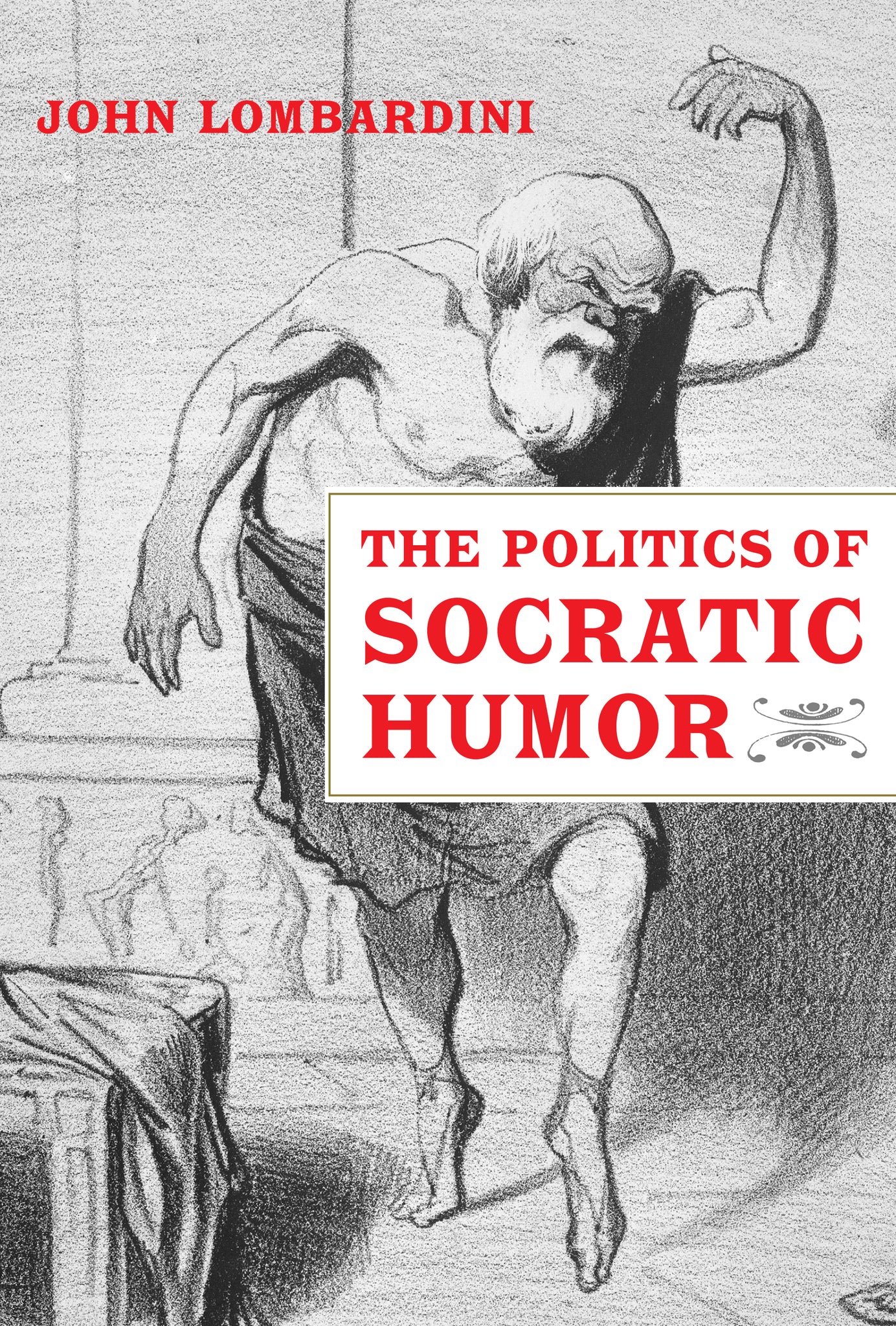
Was Socrates an ironist? Did he mock his interlocutors and, in doing so, show disdain for both them and the institutions of Athenian democracy? These questions were debated with great seriousness by generations of ancient Greek writers and helped to define a primary strand of the western tradition of political thought. By reconstructing these debates, The Politics of Socratic Humor compares the very different interpretations of Socrates developed by his followers—including such diverse thinkers as Plato, Aristotle, Xenophon, Aristophanes, and the Hellenistic philosophers—to explore the deep ethical and political dimensions of Socratic humor and its implications for civic identity, democratic speech, and political cooperation. Irony has long been seen as one of Socrates’ most characteristic features, but as Lombardini shows, irony is only one part of a much larger toolkit of Socratic humor, the broader intellectual context of which must be better understood if we are to appropriate Socratic thought for our own modern ends.

Price: $95.00
Pages: 312
Publisher: University of California Press
Imprint: University of California Press
Publication Date:
24 August 2018
Trim Size: 9.00 X 6.00 in
ISBN: 9780520291034
Format: Hardcover
BISACs:
"Lombardini eruditely demonstrates the function of Socratic mockery and irony in Aristophanes, Plato, Xenophon, Aristotle, and others (and in this way the book makes a meaningful contribution to the literature on these authors)."
John Lombardini is Associate Professor of Government and Affiliate Faculty in Classical Studies at the College of William & Mary.
Acknowledgments
Introduction
1. Aristophanes and Socratic Mockery
2. Plato and Socratic Eironeia
3. Xenophon, Socratic Mockery, and Socratic Irony
4. Aristotle, Eutrapelia, and Socratic Eironeia
5. Socratic Humor in the Hellenistic Period
Conclusion
Notes
Bibliography
Index
Introduction
1. Aristophanes and Socratic Mockery
2. Plato and Socratic Eironeia
3. Xenophon, Socratic Mockery, and Socratic Irony
4. Aristotle, Eutrapelia, and Socratic Eironeia
5. Socratic Humor in the Hellenistic Period
Conclusion
Notes
Bibliography
Index